An encounter with systemic design
The world is growing more complex, and we need to see beyond the user. Zoom out, further still, and look at a world made of systems and overlapping parts.
Mr Weasley, Ron’s father in Harry Potter, is endlessly curious about systems. He is a wizard living among other magical people and contraptions, surrounded by owls that deliver post and flying cars. Even so, he is deeply curious about everything he does not know — like the systems non-magical people have built to get by without magic. Non-magical folk have neither flying cars, owls to carry letters, nor Floo powder to teleport by throwing powder and saying a place name. Muggles (yes, that’s us) have lifts, metro lines, bus stops, and post offices instead. Mr Weasley finds this utterly fascinating. How does an escalator actually work? Or a power outlet? What is it really like to ride a lift? And what actually happens when a letter goes through the postal system?
Seeing beyond the user
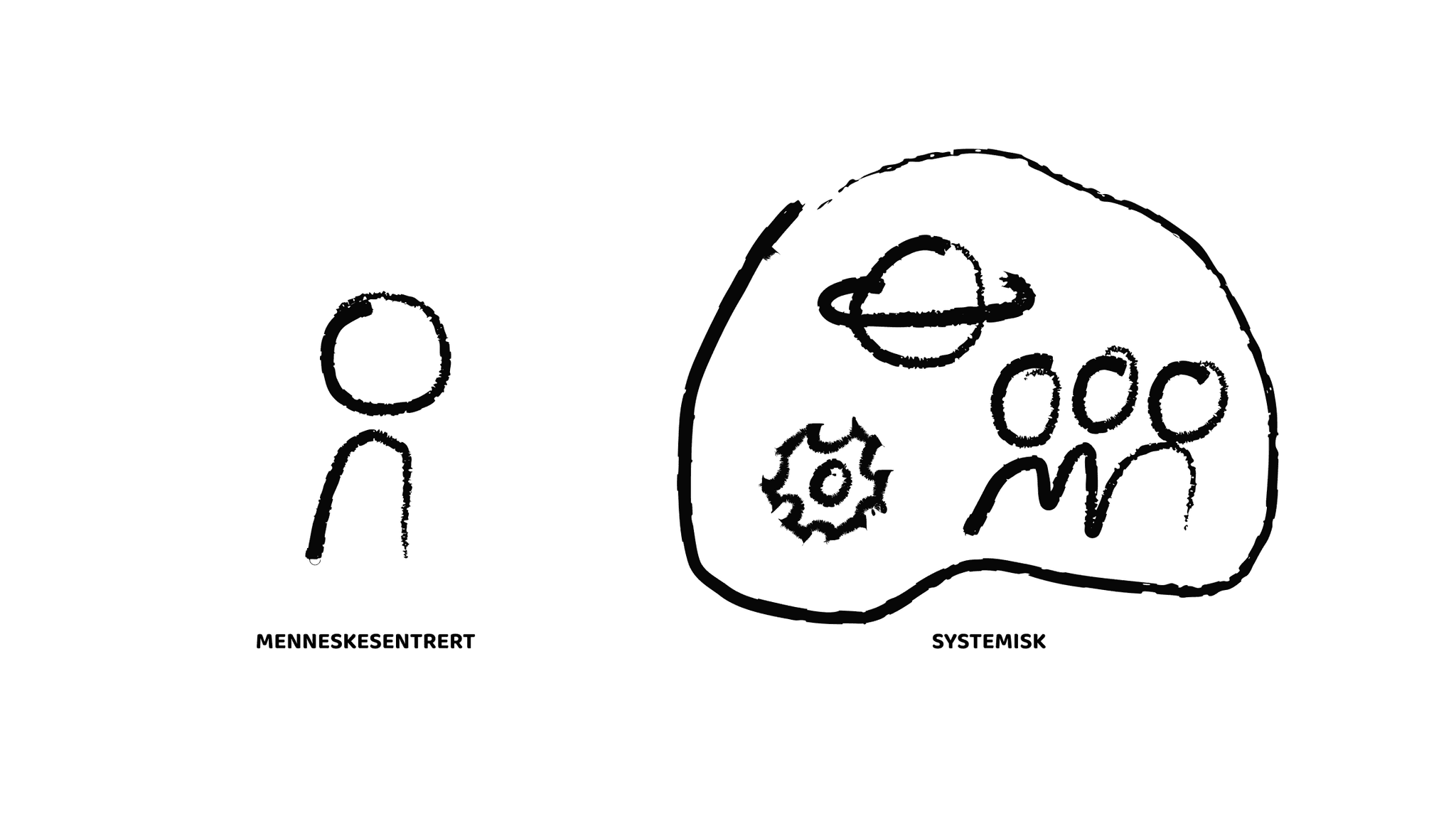
Mr Weasley could well have made a good systemic designer. At least he would have got a lot out of it if he had been introduced to systemic design and learned some techniques and methods, as I did last week. As a designer I care about people — what they think and do — and that has almost been a mantra in design thinking: listen to the user, talk to the user, focus on the user’s experience. But there is a shift now, because it is not all about the user’s needs; in fact we can make poorer design choices by looking only at user needs. The world is growing more complex, and we need to see further out. The world is made of more than people. That is what systemic design is about: zooming out, further still, and looking at a world of systems and overlapping parts.
What is a system?
Systems can be human, but they can also be non-human, and the most important situations often arise at the intersections — all those overlapping places where machines, people, and social structures blur into one another.
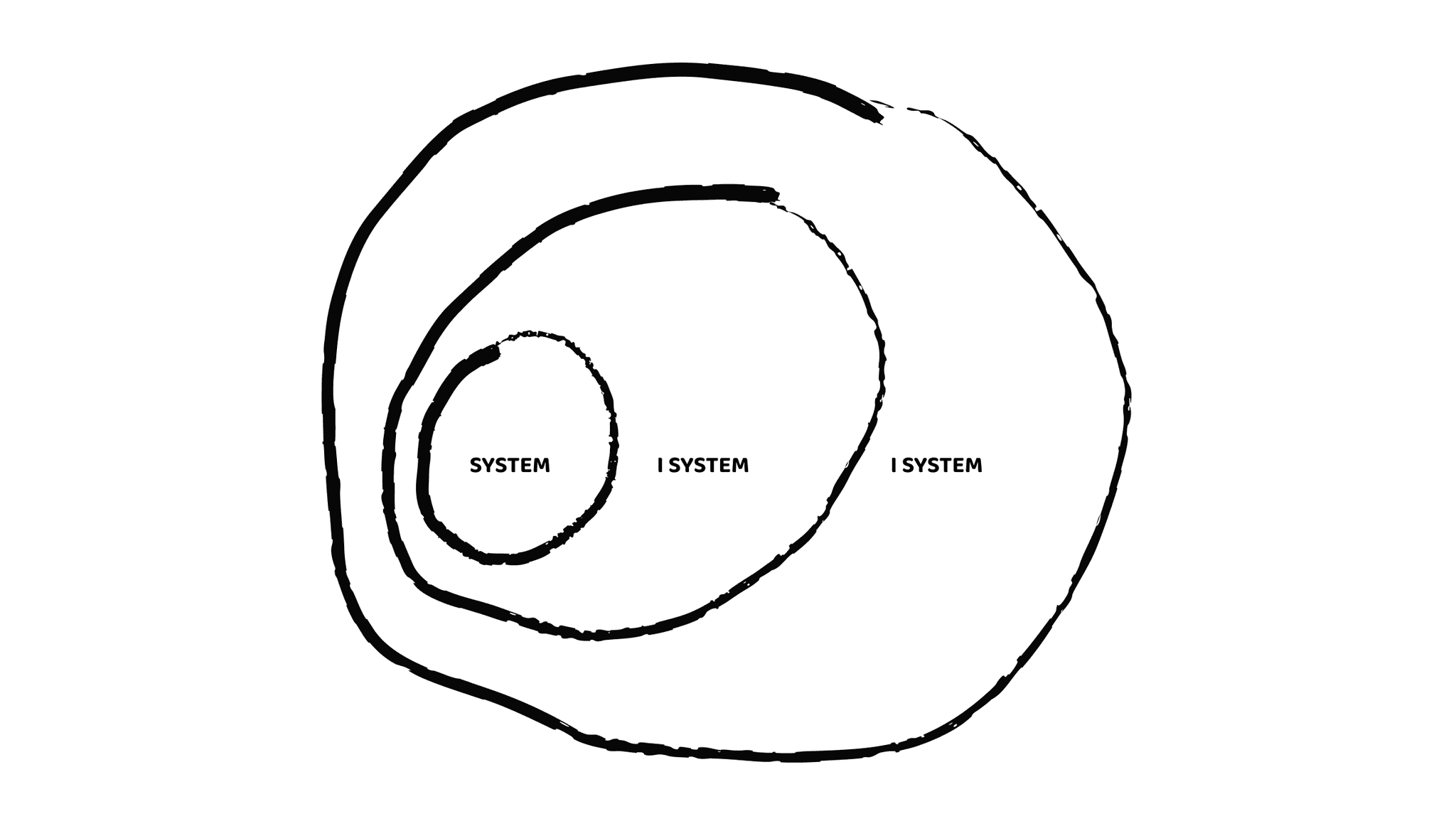
A system can simply be anything: something to do with connected parts that share a function or form. A cow, an apple, a philosophy, a perception or thought, a beating human heart. A country, a forest, a law, a network of computers. What happens if you split a system in two — is it still the same system, is it broken, or has it become something new?
Designing for change
Systemic design is an approach for finding and structuring information. It can help us change how something works, or could work, to test it, or to understand the frames, organisations, or other surrounding factors. It is about designing toward the good, and is often used on complex societal challenges to find new visions and solutions, and to assess possible consequences and effects.
It comes down to being deeply curious — like Mr Weasley — about how something works and how it affects people — yes — but perhaps above all wanting to go wider, deeper, and across disciplines into a topic or situation.
In theory you could be a systemic graphic designer if you wanted — if you carefully analyse the effects and connections in all the systems around the visual, and look at it in a deeper, wider, often philosophical way. Maybe you can even be a systemic witch or wizard if you analyse the outcomes and whole of every magical system you take part in, and that exist in general, and the gaps, and the room for improvement, and perhaps also other perspectives and solutions, like lifts and escalators, to craft visions that illuminate consequences, with the aim and intent of designing for a better world.
Effects and consequences
As designers we are responsible not only for getting the execution right, but for designing the right thing in the first place, and anticipating what effects and consequences it might have. Could we have foreseen what system-level effects Facebook’s “Like” button might have in society? Screen use in schools, or artificial intelligence? As designers, and as people in general, we need to understand how all of this hangs together to build good solutions that are not only good right now, but also good in the future.
Systemic design is partly about defining things — defining what something is, and what it is not. Causality, cause, action, what increases something and what counteracts it, and how a relation or connection is not necessarily a cause. What is this thing, really? Is it what we think, or is it actually something else? Where are we in all of this system? How do the parts affect one another, what happens if we introduce a new technology, and what human and cultural consequences will it have, how does this actually fit together, and how will it fit together in the future, in a world of systems that keep changing?
Vision
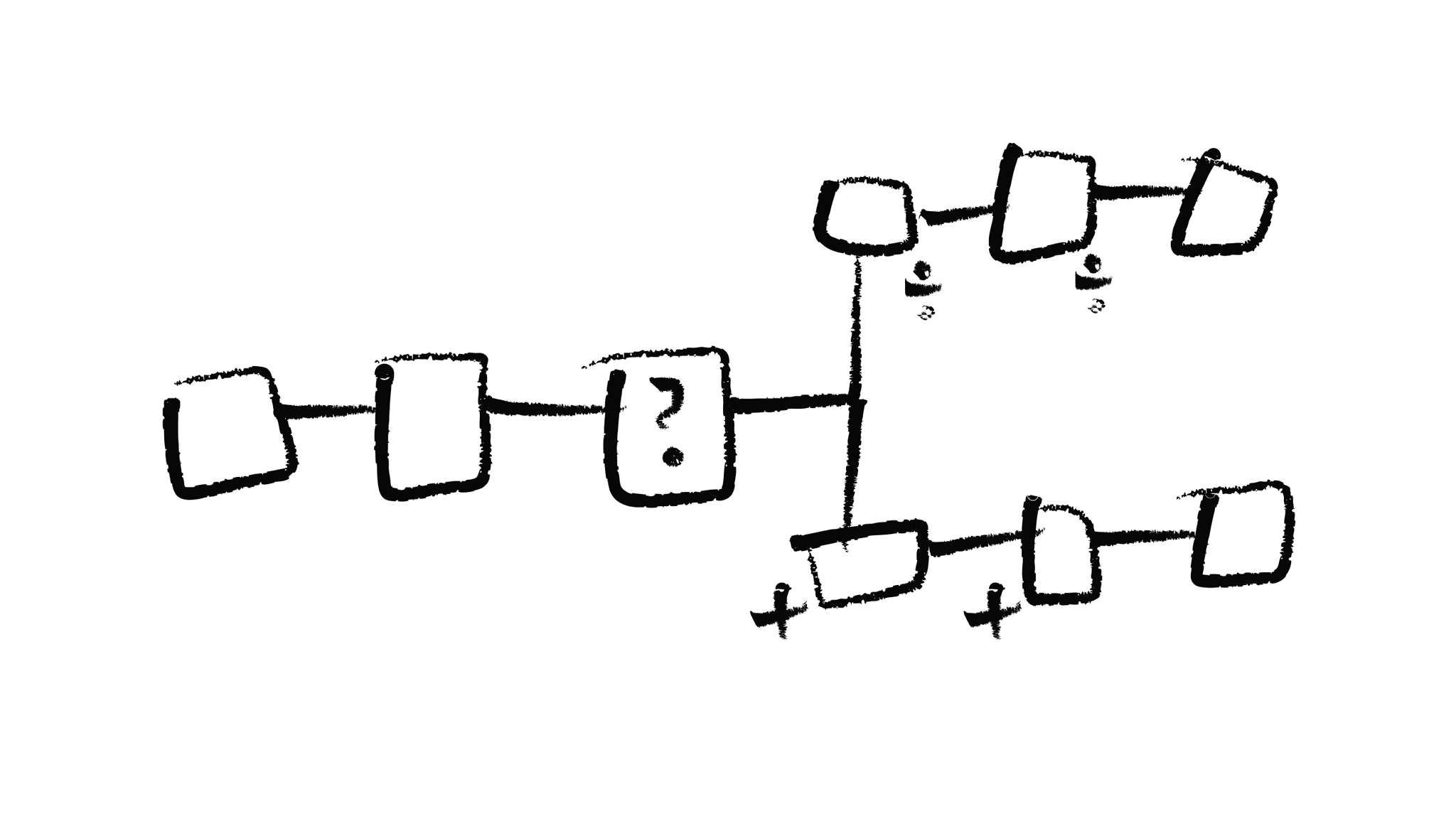
We want overview; we want to see the whole — and that is something systemic design can help with. We have a toolbox of ways to draw and visualise concepts, to build shared understanding. It can broaden our worldview and challenge us to see holistically, and to notice dependencies, things that are linked and will change or be affected if something else changes. Simplify, clarify, understand, create shared understanding, and craft a vision.
For systemic design is not only endless analysis and complex concepts. We also talked about how important and essential it is to set frames and direction, and to imagine how something could actually become — imagine — what the future might look like, the effects and consequences, and not least to show and communicate those visions to others, to focus attention on an issue, and as a basis for decisions.
A new worldview
Being introduced to systemic design has genuinely made me see the world a little differently. A little richer, full of nuance, perspectives, and levels. Parts of the approach were things I already did without quite knowing it consciously. Now I walk around a bit like Mr Weasley, wondering at all sorts of things, only with new concepts and models that have helped put things in their place, and opened up meaning and possibility in the chaos, and questioning the established — in a slightly more structured way.